







Chinese Surgeons Perform First Pig-To-Human Organ Transfer
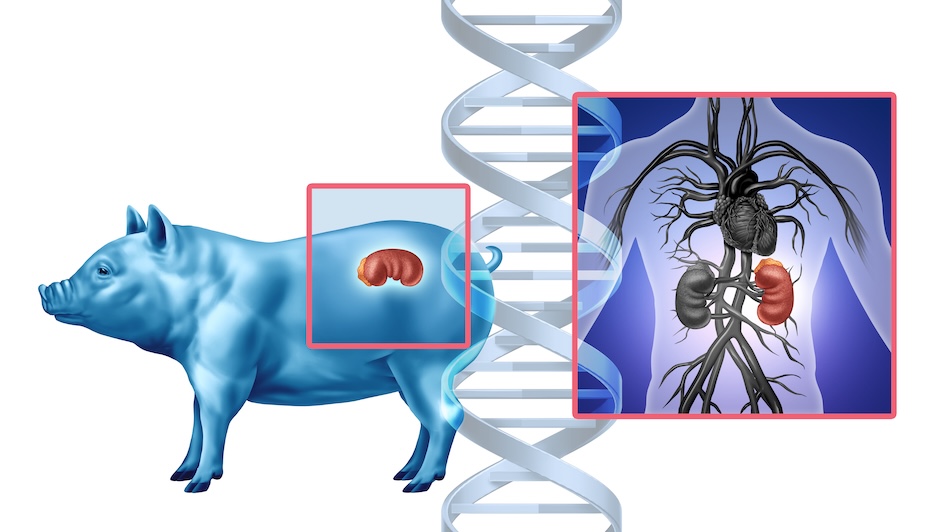
Medical scientists in China have achieved a revolutionary milestone in xenotransplantation by executing the world’s first combined transplant of a whole pig liver and both kidneys into a single human recipient.
The groundbreaking procedure was performed – by a team at the Second Affiliated Hospital of Guangxi Medical University in Guangxi, China – on a 53-year-old brain-dead man whose family gave consent for a 106-hour clinical study.
To make the operation possible, researchers utilised a cutting-edge six-gene-editing strategy on the donor porcine organs, consisting of three genetic knockouts and three humanising insertions. This advanced engineering prevents the human immune system from triggering hyperacute rejection, a barrier that has thwarted animal-to-human transplants for decades.
During the five-day observation window, the organs demonstrated remarkable physiological compatibility. The bilateral kidneys produced urine, the liver secreted bile, and metabolic analysis revealed that the pig liver actually began reprogramming its behaviour to mimic human metabolic functions.
While previous experimental successes in 2024 and 2025 involved single-organ grafts like pig lungs or kidneys, transferring multiple organs simultaneously increases surgical complexity and complication risks exponentially. Although early cellular rejection markers emerged at 36 hours, researchers believe targeted immunosuppressive drugs can mitigate these responses.
With over 100 000 people currently on transplant waiting lists in the United States alone, this successful proof-of-concept provides a foundational framework for future multi-organ trials, offering a tangible solution to the chronic global shortage of human donor organs.