







Computer Power Now Available as a “Fibre Chip”
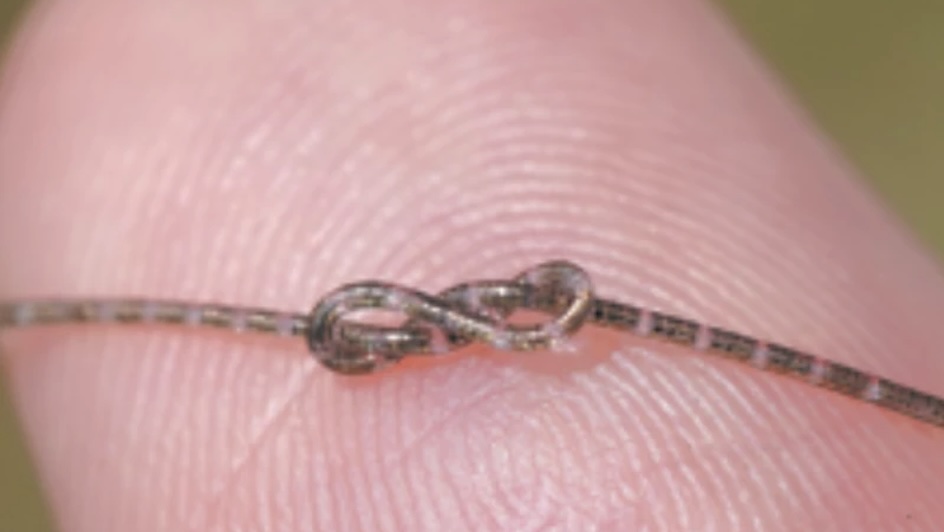
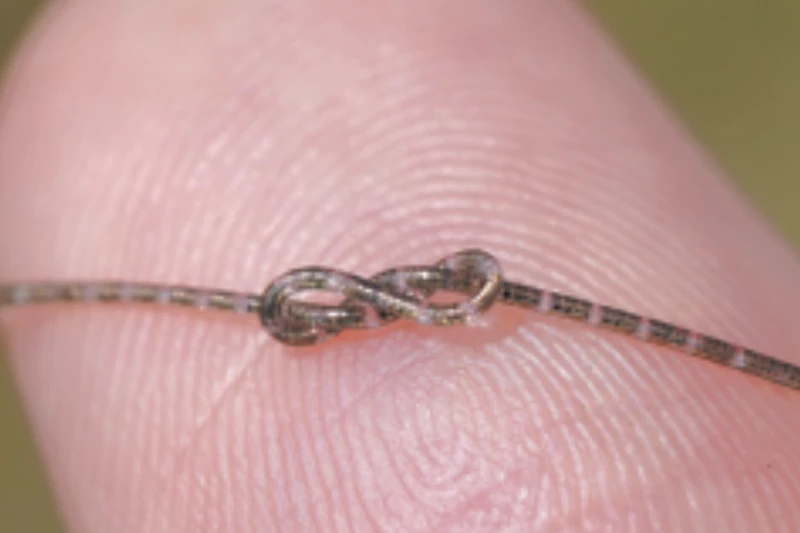
Scientists at Fudan University (FDU) in Shanghai, China, have achieved a breakthrough in wearable technology by creating a flexible “fibre chip” that is thinner than a human hair.
This innovation moves beyond rigid, flat silicon chips by embedding complex electronic circuits, including transistors, resistors, and capacitors, directly into a spiral-layered, ultra-thin fibre.
The FDU team overcame the challenge of building precision electronics on a soft, uneven surface by taking inspiration from sushi rolls. They patterned high-precision circuits onto a nanometre-flat, stretchable elastomer sheet using standard lithography. This sheet was then rolled into a tight, multi-layered spiral within a 50-micrometre polymer fibre. The density is staggering: just one millimetre of fibre contains 10 000 transistors, giving it the processing power of a pacemaker.
To put that into perspective: a one-metre strand could house millions of transistors, rivalling the processing power of a typical desktop computer.
Despite its delicate appearance, the fibre is incredibly resilient. Tests proved it can withstand 10 000 cycles of bending and abrasion, 100 wash cycles, heat up to 100 degrees Celsius, and extreme pressure, even surviving the weight of a 15.6-tonne truck.
The fibre’s biocompatible nature makes it a game-changer for brain-computer interfaces, potentially treating Parkinson’s or epilepsy by matching the softness of brain tissue.
In consumer tech, it offers a multitude of opportunities for “smart clothes” that display health data or navigation on a sleeve, and tactile gloves that allow surgeons to “feel” tissue during remote robotic procedures.
“Our fabrication method is highly compatible with the current tools used in the chip industry, as we have already achieved a way to mass-produce these fibre chips,” said Chen Peining, FDU researcher and project author.
Image Credit: Source