







Scientists Convert Eucalyptus Tree Bark Waste Into Pollution Filter
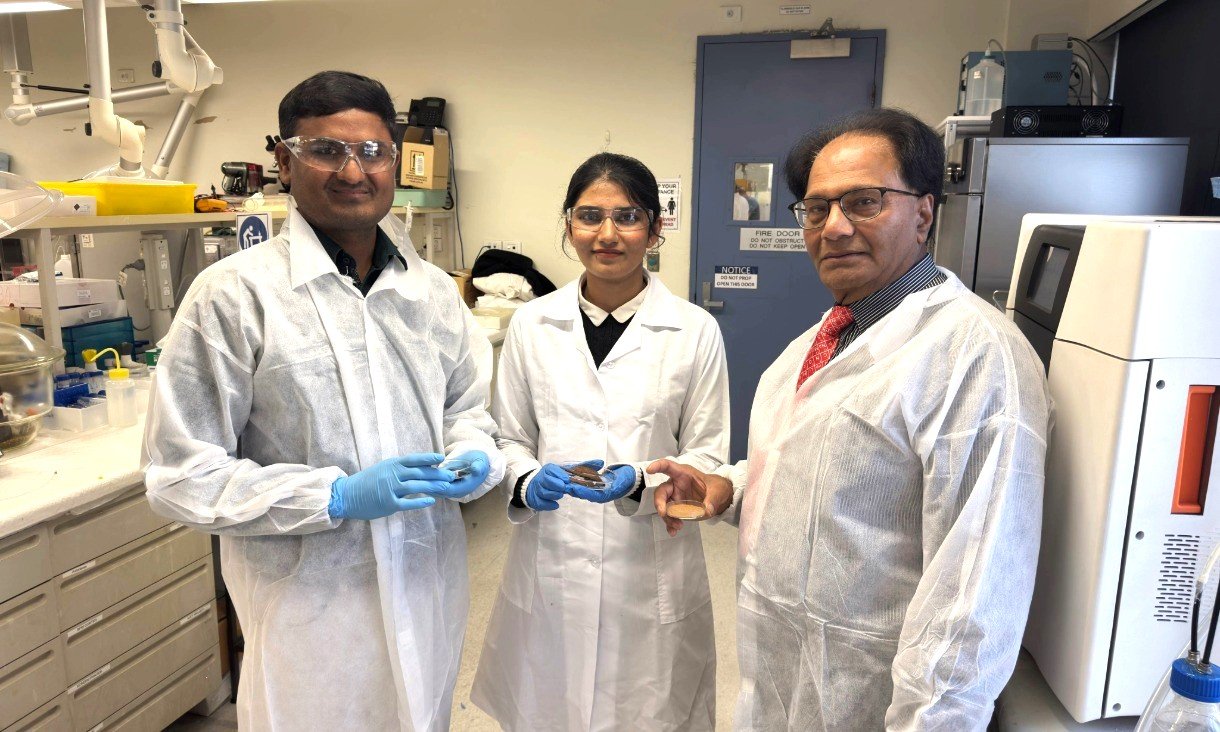
Researchers at the Royal Melbourne Institute of Technology (RMIT University) in Melbourne, Australia, have turned to nature to develop a groundbreaking method to transform eucalyptus tree bark into a highly functional environmental filter.
By utilising a simplified, one-step activation process, the team converted the biomass – traditionally treated as low-value forestry waste – into a highly porous carbon capable of purifying water, filtering air and capturing carbon dioxide.
The effectiveness of this material lies in its engineered network of microscopic pores, which trap pollutants as air or water passes through. While porous carbon is already widely used in industrial filtration, conventional production often requires complex, energy-intensive, multi-stage processing. The RMIT University method reduces infrastructure needs and energy consumption, offering a more scalable and cost-effective alternative.
Lead researcher Pallavi Saini noted that the material’s performance depends more on its engineered structure than the raw feedstock itself, making eucalyptus bark a practical candidate for large-scale use. This is particularly relevant in Australia, home to over 900 eucalypt species. Because the bark is a by-product of existing forestry, its use supports circular economy goals without competing with food production.
Potential applications for this bio-filter include wastewater treatment, groundwater purification, and industrial gas filtration. It could even support point-of-use systems in remote communities.
Moving forward, the researchers plan to collaborate with Indigenous communities to identify specific eucalyptus species best suited for various applications. While further testing on durability and large-scale regeneration is required before commercial deployment, the study demonstrates a significant opportunity to reimagine waste as a sophisticated tool for environmental protection.
Image Credit: Source