







China Produces World’s Smallest Atomic Clock
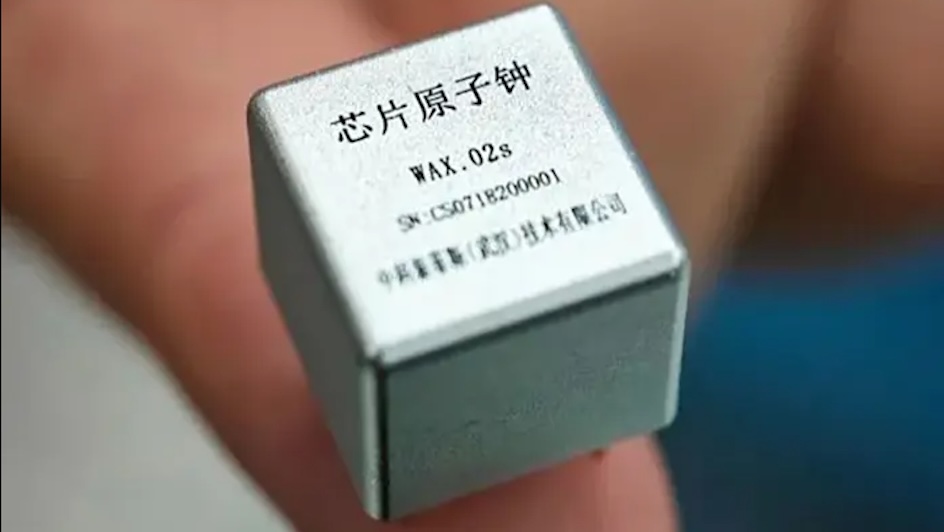
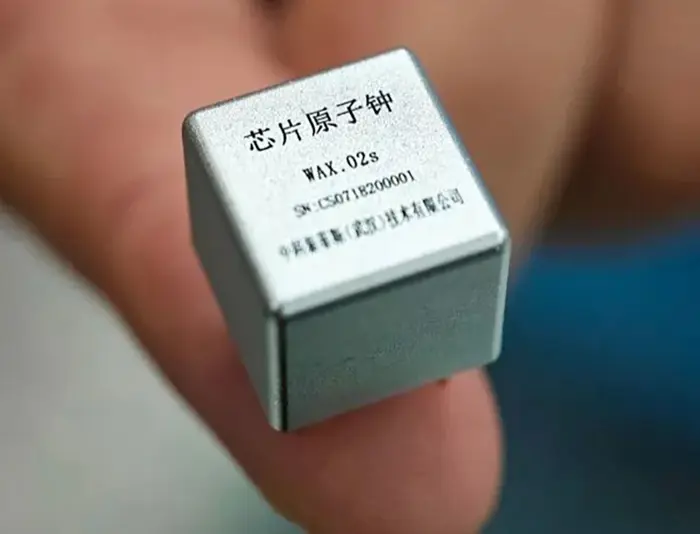
Researchers at Wuhan University (WHU) in Hubei, China, have achieved a breakthrough in precision timing with the mass production of an atomic clock measuring just 2.3 cubic centimeters.
The timekeeping device, which is roughly the size of a fingernail, is less than one-seventh the size of its leading US counterpart, which measures approximately 17 cubic centimeters.
Professor Chen Jiehua’s research group bypassed the physical size limits of traditional cesium atomic clocks for a simple reason: Conventional models require a bulky microwave resonant cavity to maintain a stable “tick,” a component that cannot be miniaturised beyond several hundred cubic centimeters without significant power loss.
Instead, the WHU team utilised Coherent Population Trapping. This quantum optical phenomenon uses a modulated semiconductor laser to excite alkali metal atoms – such as rubidium – within a tiny cell. When the laser frequencies match the atoms’ energy gap, they enter a “dark state,” providing a stable frequency reference without the need for a large cavity.
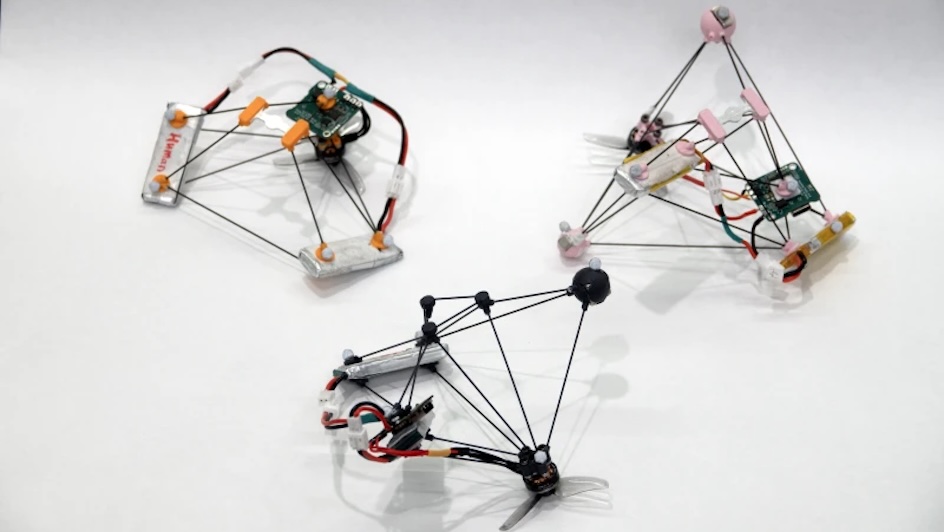
Despite its minute scale, the clock is incredibly precise, losing only one second every 30 000 years. Such high-precision, low-power timing is critical for modern coordinated drone swarms, low-orbit satellites, and underwater navigation systems, where nanosecond synchronisation determines the success of battlefield communications and missile strikes.
The team has founded a spin-off company, Taifs Technology, to scale production to make the device commercially viable. While specialised laser costs remain a hurdle, state-backed investment aims to automate manufacturing, potentially transforming both military and civilian telecommunications through chip-integrated precision timing.
Image Credit: Source