






Tech-Savy Dog Dad Uses AI to Create Canine Cancer Vaccine
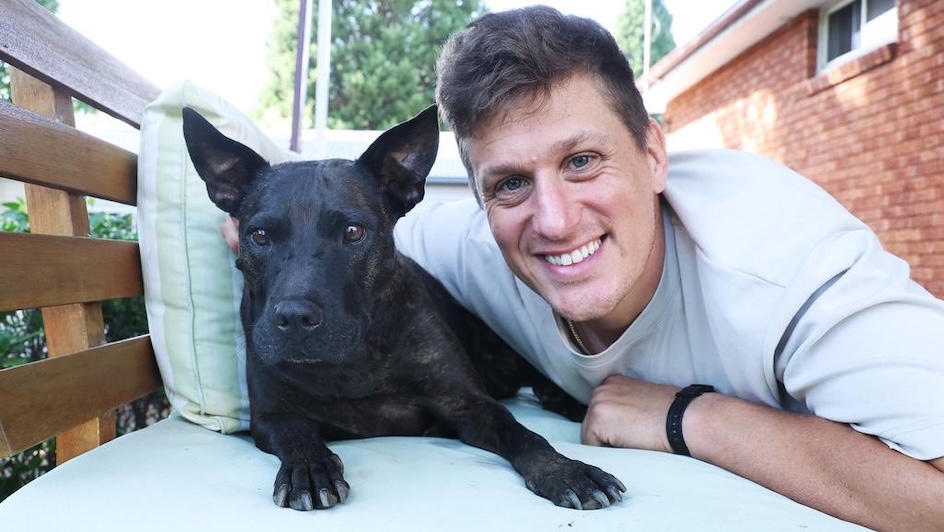
Paul Conyngham loves his eight-year-old dog, Rosie, but in 2024, he received the devastating news that his beloved rescue pup had mast cell cancer. After all traditional means of treatment failed, he turned to technology to find an alternative.
The Australian electrical and computing engineer first sought out surgery and chemotherapy but neither stopped the tumours. Conyngham looked into machine learning and artificial intelligence (AI); eventually, gene sequencing became the apparent answer to Rosie’s health problems.
Using ChatGPT, Conyngham developed a research plan and visited the University of New South Wales (UNSW) Ramaciotti Centre for Genomics. He spent $3000 for the genomic sequencing of Rosie’s healthy cells and her tumors, then used Google DeepMind’s AlphaFold to analyse protein structures and identify specific mutations.
When traditional drugmakers denied him access to experimental immunotherapies, nanomedicine pioneer Pall Thordarson of the UNSW RNA Institute used Conyngham’s data to develop a bespoke mRNA vaccine in under two months.
The personalised vaccine was administered in December 2025 and has already shrunk Rosie’s tumors significantly. While not a definitive cure, the treatment has restored her quality of life, with Conyngham reporting she has regained the energy to chase rabbits.
Thordarson noted that this is the first time a personalised cancer vaccine has been designed for a dog, highlighting how AI can “democratise” complex medical design.
While the case is currently an individual experiment requiring significant resources and ethical approval, it points toward a future where customisable genomic medicine could turn terminal diagnoses into manageable conditions for both pets and humans.
Image Credit: Source